

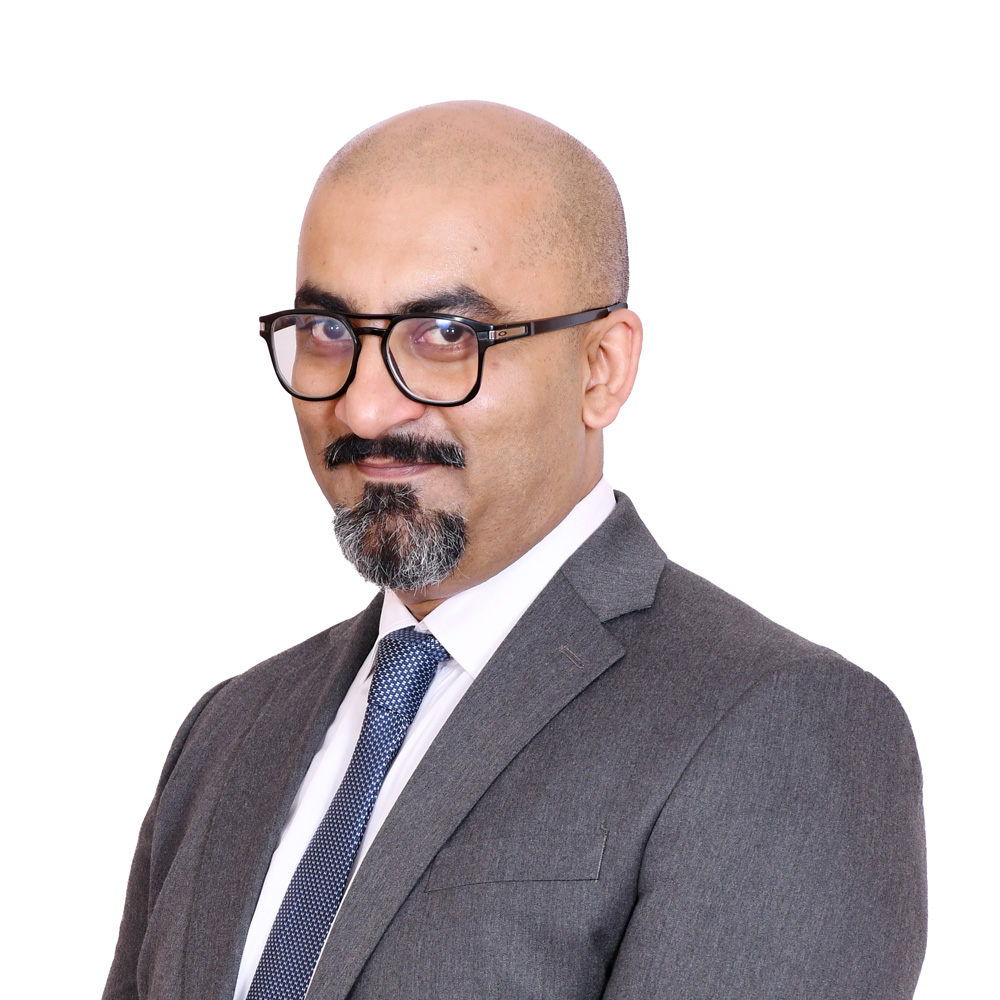
Mr. Ardhendu Bhattacharya
Chief Investment Officer - Fixed Income, SBI Mutual Fund.
Mr. Ardhendu Bhattacharya has over 16 years of experience in the financial sector. He joined SBIFML in April 2019 and currently holds fund management responsibilities. Prior to this, he was associated with ICICI Bank and Citibank N.A., where he held roles involving trading in money markets, short-term corporate bonds, and currency and trade sales.
Please note we have published the answers as it is received from the Fund Manager of SBI Mutual Fund.
Q1. The Indian rupee has witnessed depreciation pressure in recent months despite India's relatively strong macroeconomic fundamentals. How should investors interpret this weakness? Is gradual currency depreciation a natural feature of a growing emerging economy, and what are your views on the outlook for the rupee over the medium term?
Ans: RBI & GOI have taken steps to stem the depreciation of INR recently. High global yields and elevated oil prices have been the main concerns for USD/INR and any resolution on the middle east crisis should act as a tailwind for INR as FPI flows return. However, we believe more steps are needed to attract longer more durable capital and that remains a key monitorable.
Q2. Investors often focus on the returns generated by debt funds but pay less attention to the risks taken to achieve them. What are some common misconceptions investors have about fixed income investing, and how can they evaluate debt products more effectively?
Ans: Portfolio construct is the most important thing to analyze while investing in a fixed income fund. Also understanding fund manager and AMC positioning in context of overall macro environment is important as it helps one take a call on the market.
Q3. With geopolitical tensions continuing to influence global markets and Brent crude prices remaining a key variable for India, how do you assess the potential impact on India's G-Sec yields? To what extent could higher oil prices and external uncertainties alter the outlook for inflation, RBI policy, and the domestic bond market?
Ans: The worst seems behind us in the near term, while the way down won’t be a one way street both yields as well as USD/INR might have made their respective near-term peaks. The tail risks of interest rate defense has been priced out and we believe conventional monetary policy will resume as markets normalize. Expect volatility, none the less markets should be well behaved till the second half of the year comes by and enhanced borrowings by center and states hit the markets.
Q4. Gold has delivered strong returns amid geopolitical uncertainty, central bank buying, and concerns around global debt levels. In the current environment, how should investors think about gold's role within a diversified portfolio alongside traditional fixed income allocations?
Ans: Gold has been under pressure in the reflationary trade as yields spike worldwide, but easing concerns on west Asia should support the category in the near term. Investors should look at commodities as part of their asset allocation and not chase near term trends. A repeat of last years tear away rally is unlikely as these categories tend to mean revert in the medium term.
Q5. India's decision to exempt certain foreign investors from taxes on government bond investments and broaden access to the debt market is expected to enhance its attractiveness as a fixed income destination. How significant could these measures be in driving foreign participation, and what impact might they have on bond yields and the evolution of India's debt market?
Ans: It has helped already, we have seen almost 20k crs hitting the markets since policy day. FCNRB and ECB related measures should also attract foreign capital to the tune of 40-50 billion USD and this will chase domestic assets including bonds. Yields have cooled off and the curve has steepened in anticipation of these flows. The success of the FCNRB scheme will determine the extent of softening in domestic markets, we believe there is value at the shorter end for some further easing.
Q6. As investors transition from wealth building to wealth preservation and income generation, how should they think about SWPs from mutual funds compared with annuities and traditional deposits? What withdrawal rates do you believe are sustainable, and which fund categories would you recommend for retirees seeking regular income?
Ans: For a retiree a mixture of accrual and duration within the overall asset allocation is key.
We like high grade credit portfolios like corporate bond and accrual products like medium duration along with gilt and long duration for this.
Mutual Fund investments are subject to market risks, read all scheme related documents carefully.

